
Google Allows Removal of Visible Watermarks on AI-Generated Content

 Prefer us on Google


CoinWorld reports:
Google is beginning to adjust the way AI-generated content is marked. The company announced that users will now be able to remove visible watermarks from images, videos, and music, but this will not affect the invisible SynthID watermark or the metadata related to the C2PA standard.
Visible Watermarks Made Optional
This feature will first apply to the Nano Banana, Omni, and Lyria models. Josh Woodward, Vice President of Google Gemini, stated that the relevant toggle will appear in Gemini and the video editing tool Flow, with support for Search to follow soon.
According to Google, users can decide whether to display visible watermarks in the "Media Watermark" option in settings. This feature will be gradually rolled out over the next few days.
Two Layers of Identification Information Still Retained
Google claims that this adjustment aims to strike a balance between creative freedom and content identification. While visible watermarks help indicate the source of content, they may also affect professional production and creative use scenarios.
Even with the visible watermark turned off, the system will still retain two types of identification information: the invisible SynthID watermark and the metadata based on the C2PA standard.
- SynthID: An invisible marker embedded in the content
- C2PA: An industry standard that records source and editing information
- Search: Will support related identification capabilities in the future
Google Synchronizes Open Source Verification Library
Google stated that users can still determine whether an image was generated by AI through Gemini or Search. This means the company has not abandoned content traceability but has shifted the focus from visible markers to more suitable technical solutions for platform and tool identification.
In addition to product adjustments, Google has also open-sourced a new library called Credentio, allowing developers to embed local verification mechanisms in their applications. This move means that external applications can also access the capability to verify related marking information.
Additional Information: Before this update was released, Anthropic sparked discussions by adding watermarks to text and files generated by Claude, a practice seen as related to EU regulatory requirements. In contrast, Google emphasizes a route of "optional visible markers, with underlying identification retained."
-- Price
This content is provided for general informational purposes only and doesn't constitute financial, investment, legal, or tax advice. Any events, rewards, online promotions, or related information mentioned herein should not be considered a recommendation, solicitation, or invitation to purchase, sell, trade, or otherwise deal in any crypto assets. Crypto assets are highly volatile and may result in loss. The availability of WEEX services, products, and related events may vary by region. You are responsible for ensuring that your participation is in accordance with applicable local laws and regulations.
You may also like

Bitcoin or Dollar Returns: Same Strategy, Opposite Results
BitTorrent Ushers in Next-Gen Web3 Infrastructure with Strategic Rebrand and Inaugural BTT Burn

Cysic Cross-Chain Bridge Attacked, Hacker Minted 10 Million CYS
Bank of America’s Hartnett: Sell Signal Ends, Tech Stocks Return to Focus on Semiconductor Prices

Kraken's New Leader, After Acquiring European Bank, Aims to Disrupt the Crypto Market?

Mr&强 Discusses the Interconnection of Five Major Assets in the Global Financial Market

唐华斑竹 Analyzes Market Trends, BTC Futures Open Interest Remains High
BitTorrent Brand Upgrade and BTT First Phase Buyback and Burn Launch Together, Dual Core Drives a New Era of Web3 Infrastructure
Arthur Hayes Reveals Altcoin Selection Logic, Emphasizes Accumulating Bitcoin
Vitalik, Tom Lee, Arthur Hayes and Others Share Views on Cryptocurrency and AI
Multiple Theft Incidents Fund Flow into ZEC, Attackers Use It to Transfer Stolen Funds
[CoreWeave, AI Crisis Trigger ③] Lessons from the 2008 Financial Crisis
Pago Móvil Reaches 63% of Transactions in Venezuela, Competing with USDT
Analysts Bullish on MicroStrategy, Target Price Raised to $240
Bank of America Report Shows $39 Billion Inflow into US Stocks in One Week, Strategists Prefer Risk Aversion
MSCI New Rules Implemented, 14 Crypto Companies Enter Potential Impact List

What Do the New Tesla Roadster Specs Mean for Tesla (TSLA) Stock?
Explore the new Tesla Roadster specs, reservation payments and 2028 production plan, plus what the reveal could mean for Tesla stock and future profits.
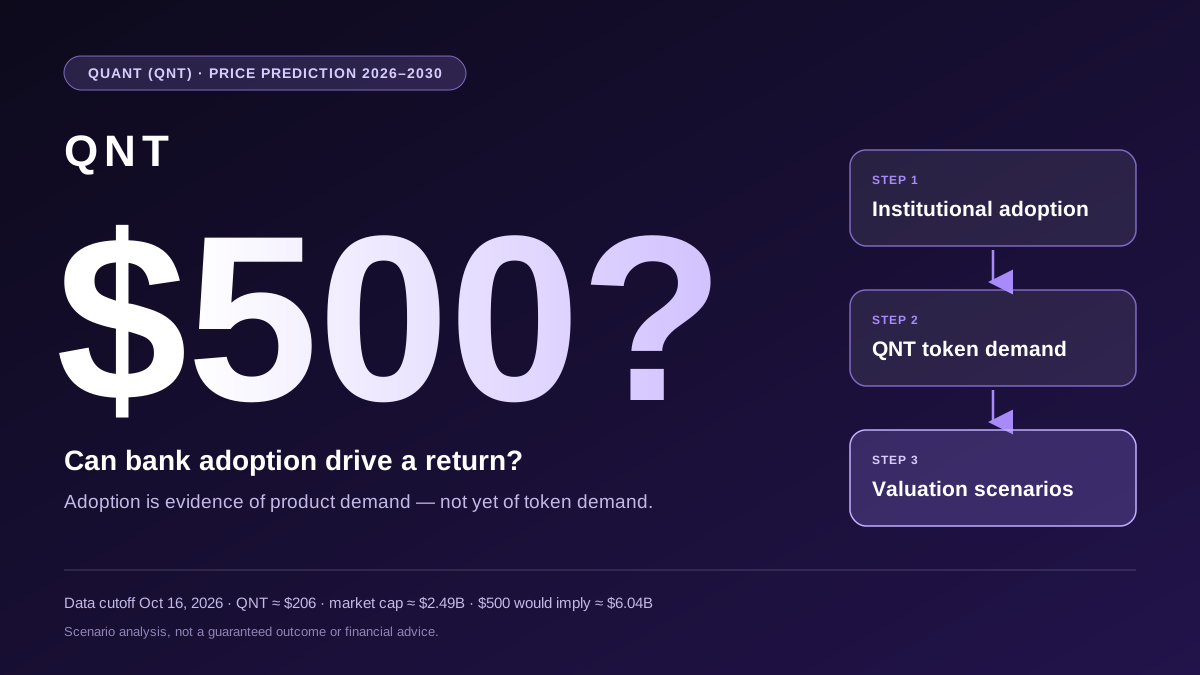
Quant (QNT) Price Prediction 2026–2030: Can Bank Adoption Drive a Return to $500?

Spout raises $2M to offer 0% interest loans on Solana

RWA Weekly: Ant Group and HSBC Test Agent Tokenized Payments; Robinhood Explores Tokenized Actively Managed ETFs

BlackRock CEO Larry Fink Flags a Different AI Risk, and It Isn’t the Bubble
Shanghai Supports International Data Center Construction to Facilitate Cross-Border Data Flow

Shanghai Advances National Blockchain Network Construction, Strengthens Cross-Chain Service Capabilities

When Will AI Investments Pay Off? JPMorgan Optimistic About Google and Amazon
What is being said at the tables: the BCRA turns on the dollar vacuum and the city counts the bullets in Javier Milei's bazooka
New Developments in the Blue Sky Ge Rui Case: Bitcoin Rises 200 Times, Can Victims Only Be Compensated at Original Price?
Bitcoin inflows to US set to turn positive in 2026, Chainalysis says
iGaming Tokens Need Real Revenue, Not Just Hype
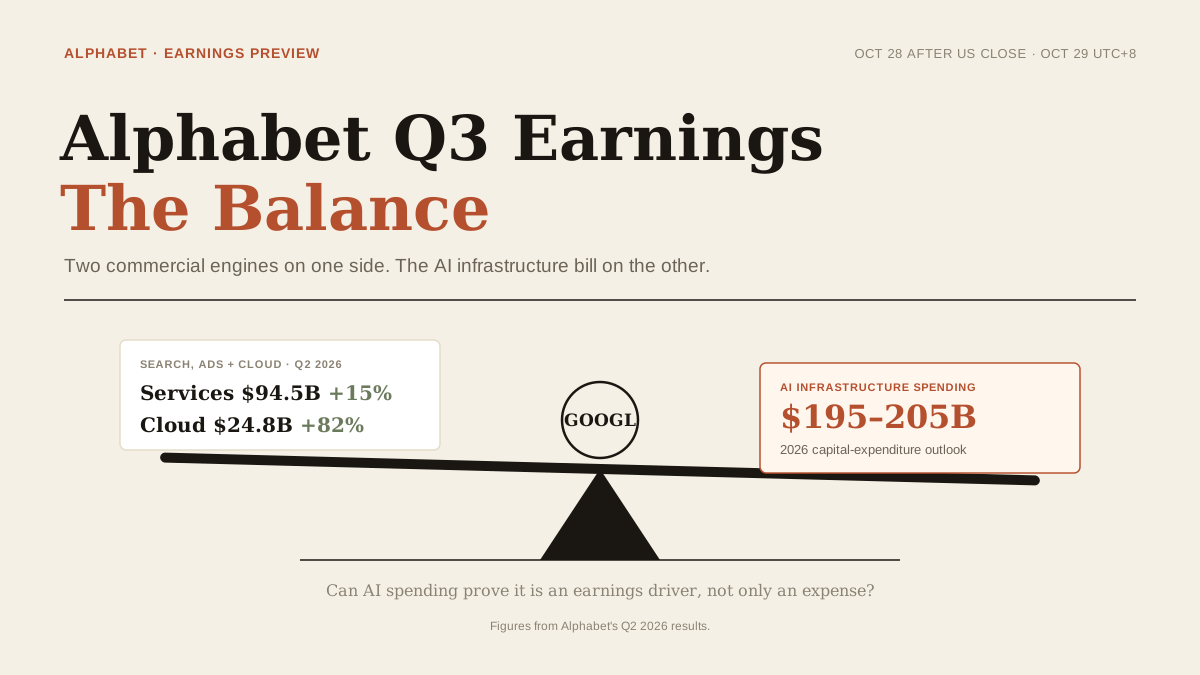
Google Stock Before Alphabet Earnings: Can AI Spending and Search Growth Support GOOGL?
Alphabet reports Q3 2026 results on October 28. See the Search, Google Cloud, AI spending, and guidance signals shaping GOOGL stock.
Fractional Reserve: Reserve Requirement Abolished. Where is the Value?
Bitcoin or Dollar Returns: Same Strategy, Opposite Results
BitTorrent Ushers in Next-Gen Web3 Infrastructure with Strategic Rebrand and Inaugural BTT Burn
Cysic Cross-Chain Bridge Attacked, Hacker Minted 10 Million CYS
Bank of America’s Hartnett: Sell Signal Ends, Tech Stocks Return to Focus on Semiconductor Prices
Kraken's New Leader, After Acquiring European Bank, Aims to Disrupt the Crypto Market?
Mr&强 Discusses the Interconnection of Five Major Assets in the Global Financial Market
Contents
Latest articles


Latest coin listings on WEEX


